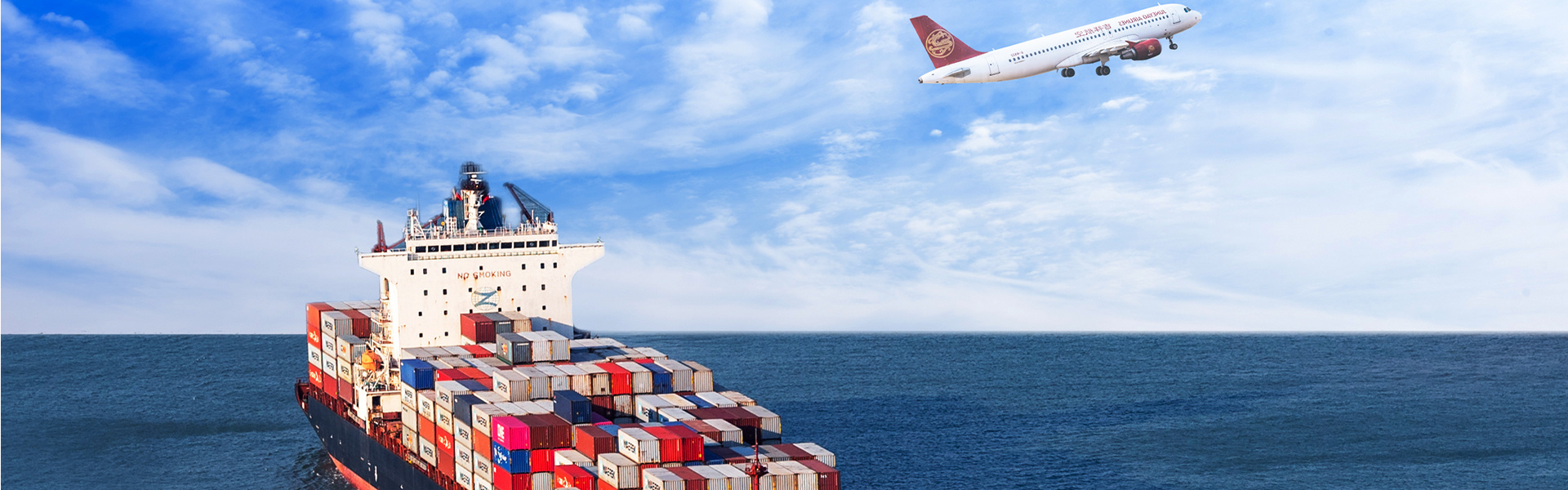
Sea freight containers have many advantages
Publication Time:
2022-10-12 11:24
Source:
Sea freight container It has many advantages, such as facilitating port operation mechanization, thereby improving loading and unloading efficiency, greatly shortening the ship's time in port, accelerating ship turnover speed, saving packaging costs, reducing cargo damage, facilitating the connection between different transportation lines and vehicles, and implementing door-to-door transportation. The emergence of sea container transportation has led to the booming development of container transportation.
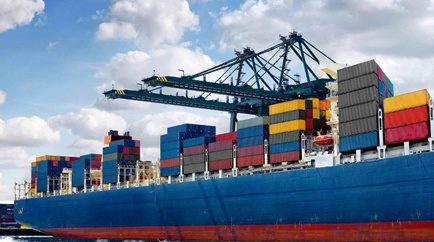
Advantages of Sea Freight Container Transportation
1. Ensure the safety of cargo transportation. Container transportation greatly reduces the number of manual loading and unloading and handling in traditional transportation methods, avoiding cargo damage, water damage, loss and other accidents caused by human and natural factors, and reducing economic losses.
2. Preserve packaging materials. Using container transportation can simplify or eliminate transport packaging, saving packaging materials and costs, and reducing cargo costs.
3. Simplify cargo handling procedures. After cargo is transported by container, the container is used as the transportation unit of cargo, reducing cumbersome operational procedures and simplifying cargo handling procedures.
4. Improve loading and unloading efficiency. Because container loading and unloading is suitable for mechanization, its loading and unloading efficiency has been greatly improved. At the same time, the container station (port) stay time is greatly shortened, and the turnover of vehicles and ships and cargo delivery are accelerated.
5. Reduce operating costs and transportation costs. Cargo losses are greatly reduced, and cargo insurance premiums are also reduced; after "door-to-door" transportation services are implemented, the construction and operating costs of warehouses can be greatly saved.
6. Facilitate automated management. Containers are standardized cargo transportation units, creating convenient conditions for automated management.
Sea freight container Parties and Responsibilities
1. Main Relevant Parties
The management methods and working systems of container transportation are different from traditional transportation methods. The main parties involved are container transportation operators, non-vessel operating common carriers (NVOCCs), actual carriers, container leasing companies, container terminals (yards), and freight stations.
2. Non-Vessel
They specialize in collecting, packing, unpacking, inland transportation of container cargo, and business at transit stations or inland stations, regardless of whether they have actual transportation tools.
3. Actual
Understand the mode of transport and participate Sea freight container Carriers. Typically, they have a large number of containers to facilitate the turnover, allocation and management of containers, and the connection between containers and vehicles, ships and machines.
The target of container leasing is mainly smaller transportation companies, NVOCCs, and a few cargo owners. Their business includes leasing, recycling, storage, custody and maintenance.
A container yard refers to a place where heavy or empty containers are loaded, unloaded, transported, stored and handed over.
Container freight station This is a place for handling LCL. After handling LCL handover and packing and loading, the containers are sent to the CY, and imported containers handed over by the CY are accepted, unpacked, sorted, stored, and then handed over to the consignee. At the same time, according to the entrustment of the carrier, the sea freight container can also be stamped and issued with a wharf receipt.
Keywords:
Sea freight container
Related Information
Add: 36 Xihuan South Road, Economic and Technological Development Zone, Beijing
Tel: +86-10-56352801/56352007
Email: jywl@bdalog.com
Copyright © Beijing Jingyuan Logistics Co., LTD All rights reserved

Wechat official
account