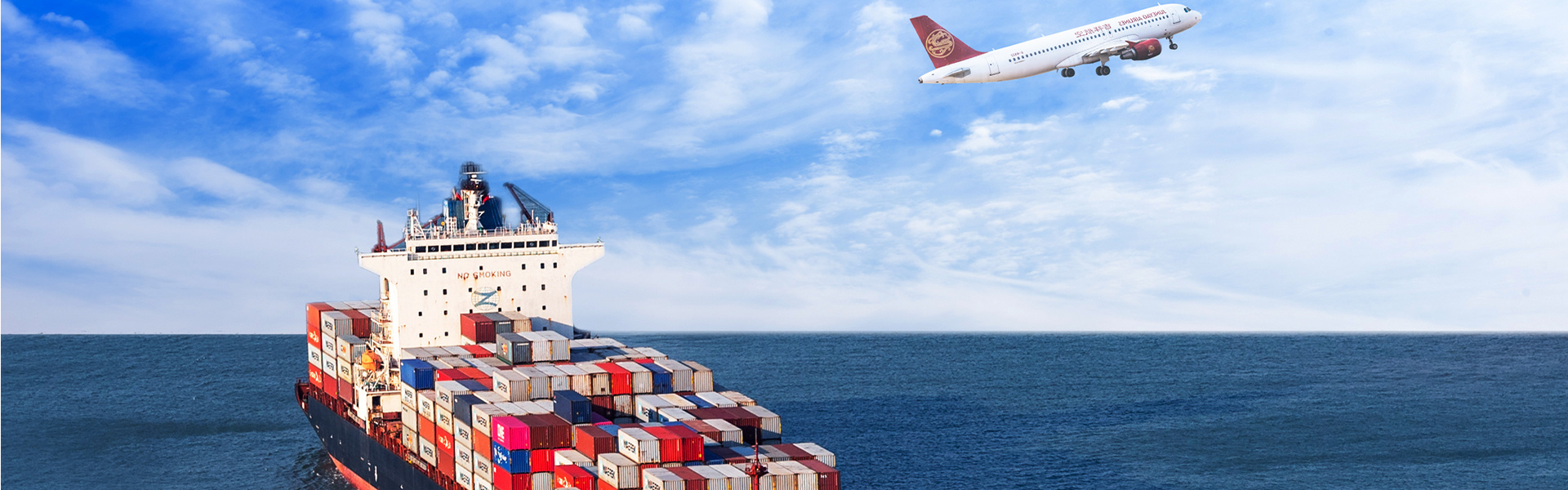
What is the significance of a bonded warehouse?
Publication Time:
2021-10-22 09:34
Source:
Bonded warehouse This refers to the warehousing behavior of storing bonded goods using a customs-approved bonded warehouse. Bonded goods are mainly goods that are temporarily imported and then exported again, or imported goods whose taxation is temporarily deferred by customs. Bonded warehouses are under the direct supervision of customs. Although the goods are also entrusted to the custodian by the inventory owner, the custodian is responsible to the customs, and the receipt or delivery documents must be signed by the customs. Bonded warehouses are generally located near the entry and exit ports.

What is the significance of a Bonded warehouse?
Third-party logistics independently managed bonded warehouse business is a newly launched bonded logistics business in recent years, based on the efficient bonded goods import and export customs clearance and new tax management model. Under this new management model, bonded warehouses can be set up outside the bonded area, with customs issuing some operating procedures, independently managed by third-party logistics enterprises, and customs can view the inventory situation of the bonded warehouse and supervise the bonded warehouse at any time. Bonded warehouse
Bonded warehouses report import and export inventories to customs once a month, check the customs system and bonded goods inventory, and pay taxes once, greatly simplifying entry and exit procedures and speeding up customs clearance. This management model is particularly suitable for bonded inventory business of repair parts with high time and inventory requirements.
Bonded warehouse What is the difference from a regular warehouse?
Bonded warehouses are different from ordinary warehouses, with much stricter supervision. Because goods need to be mastered in real time throughout the entire cycle in the warehouse, bonded warehouses also have much higher requirements for management information systems. Inventory informationization controls and manages enterprise logistics through the storage, issuance, movement, and inventory of inventory items, reduces inventory, reduces capital occupation, prevents material backlog and shortages, improves service level, and ensures the smooth progress of production and operation activities.
Bonded warehouses should conduct bonded warehouse business in accordance with the scope and types of goods stored approved by customs. Bonded warehouse
1. Bonded warehouse goods entering the warehouse
(1) With the approval of the customs, the following goods can be stored in the bonded warehouse:
A. Processing trade imports
B. Transshipment goods
C. Charges, materials, and repair parts provided for internationally navigating ships and aircraft.
D. Spare parts for repairing imported foreign products for consignment sales;
E. Foreign permanent items;
F. General trade goods that have not gone through customs procedures; Bonded warehouse
G. Items that have not been approved by customs for other customs procedures.
(2) Items meeting the following conditions shall not be stored in bonded warehouses:
A. Goods that customs regulations stipulate cannot be stored in bonded warehouses, such as automobiles, office supplies, home appliances, etc.
B. Goods that must provide licenses as required, but which enterprises cannot provide (such as former system chemicals, military chemicals, waste products, etc.).
C. Exceeding the operating scope of the declared warehouse goods. Bonded warehouse
D. Exceeding the storage capacity of the warehouse for goods declared to enter the warehouse.
E. Bonded goods declared for import preparation warehouses exceeding the enterprise's annual processing and production capacity.
Keywords:
Import and export, customs clearance day trip, import disinfection, bonded warehouse, sea freight container
Related Information
Add: 36 Xihuan South Road, Economic and Technological Development Zone, Beijing
Tel: +86-10-56352801/56352007
Email: jywl@bdalog.com
Copyright © Beijing Jingyuan Logistics Co., LTD All rights reserved

Wechat official
account