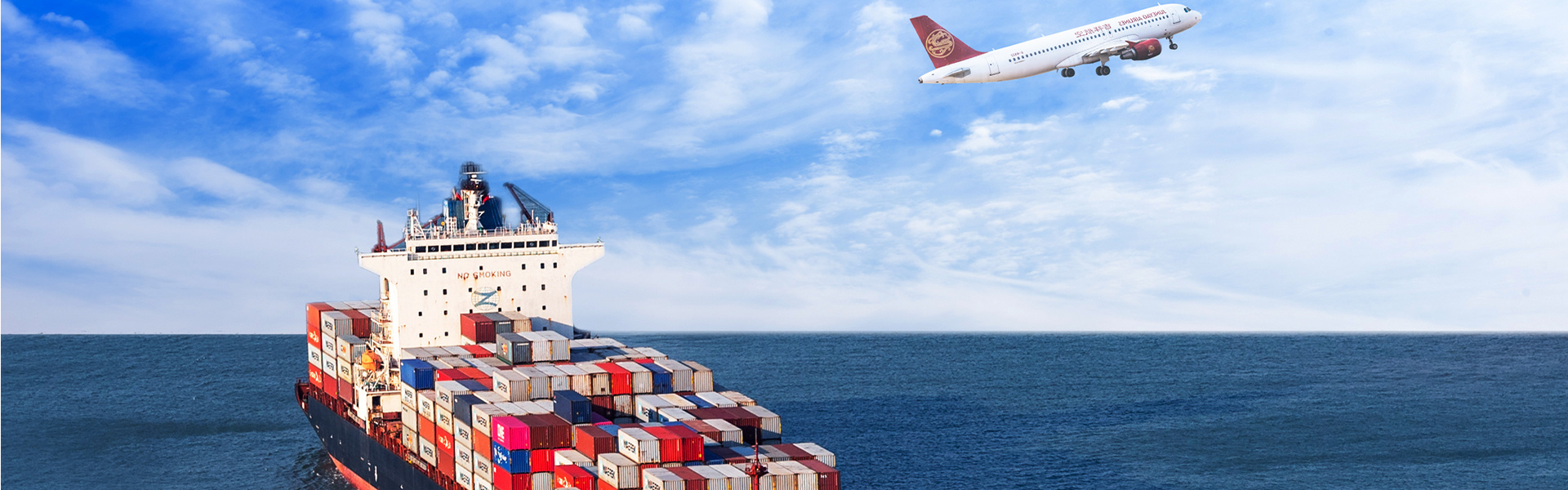
Multiple factors resonate, making it difficult to alleviate the pressure of the international shipping peak season.
Publication Time:
2021-09-28 08:02
Source:
http://www.cn56.net.cn/news/a26668.html
Since the second half of last year, the supply of containers in the international shipping market has been tight, and shipping prices have remained high. Major US ports are experiencing historically high shipping pressure. Some industry insiders believe that due to factors such as the COVID-19 pandemic, container shortages, and trade recovery, the high pressure on international shipping is expected to be difficult to alleviate in the short term, and shipping prices will continue to remain high.
Mario Cordero, Director of Operations at the Port of Long Beach in California, recently said in an interview that the pandemic is one of the main reasons for the surge in port cargo and increased shipping pressure.
Affected by the pandemic, US consumers' purchasing preferences have shifted from offline to online, leading to a surge in demand for health and safety equipment, home office equipment, and home fitness equipment, which mainly come from Asia. At the same time, many port workers have been infected with the novel coronavirus, which has also affected port work efficiency.
The San Pedro Bay port area in Southern California includes the top two container ports in the US, the Port of Los Angeles and the Port of Long Beach, and is the largest port complex in the US. Cordero said that since July 2020, the total monthly import and export volume of the ports of Long Beach and Los Angeles has been setting new records for over 100 years. In February of this year, the volume of goods handled by the ports of Long Beach and Los Angeles increased by more than 40% year-on-year, making it the busiest February in history.
Another bottleneck behind the current peak shipping pressure is the shortage of containers.
In February, the year-on-year growth of imports at the ports of Los Angeles and Long Beach both exceeded 50%, while exports decreased by 24.73% and 4.9% year-on-year respectively, leading to a sharp increase in the number of empty containers. The average waiting time for ships to unload has increased from 3 to 5 days to 7 to 10 days, forcing many shipping companies to change the destination of their liners to other ports on the US West Coast.
The extended port time further exacerbates the container shortage and pushes up shipping prices. Cordero said that the cost of shipping using 40-foot containers has doubled compared to 2019.
Terrace, manager of the digital freight platform BestFreightSearch, believes that a large number of empty containers are stranded in the United States and other places, unable to return to Asia in a timely manner, while the price of shipping imports from Asia has risen several times compared to the past. The phenomenon of "difficult to find a container" is bringing a chain reaction of supply shortages, increased demand, and rising prices.
Gonzalez, honorary professor at the Panama International Maritime University, believes that international trade has begun to recover, and rising oil prices and container shortages have led to rising freight rates. It is expected that shipping prices will remain high.
Cordero predicts that the first quarter of 2021 will be the busiest quarter in Long Beach Port's history, and optimistically predicts that this situation will not ease until summer. Other logistics experts believe that the peak shipping season may last throughout the summer.
Terrace believes that the global shipping predicament may last for more than half a year.
Keywords:
Jingyuan Logistics, bonded warehousing, tax refund, export
Related Information
Add: 36 Xihuan South Road, Economic and Technological Development Zone, Beijing
Tel: +86-10-56352801/56352007
Email: jywl@bdalog.com
Copyright © Beijing Jingyuan Logistics Co., LTD All rights reserved

Wechat official
account