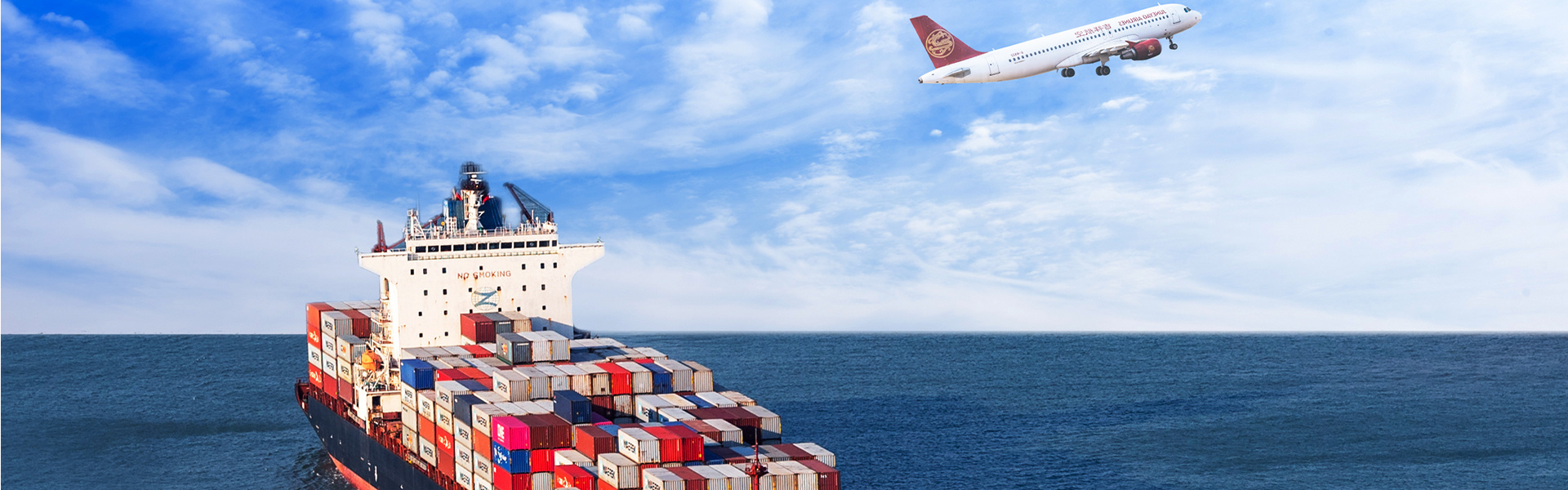
Implement the requirements of ecological civilization construction and promote the green development of transportation
Publication Time:
2021-09-24 09:35
Source:
http://www.cn56.net.cn/news/c5_7.html
The 19th National Congress of the Communist Party of China (CPC) put forward that "building an ecological civilization is a long-term strategy for the sustainable development of the Chinese nation," and for the first time included "building a beautiful China" as one of the goals of building a strong socialist modern country; the fifth plenary session of the 19th CPC Central Committee emphasized the need to "uphold the natural ecological security boundary" and "build a modern socialist country featuring harmonious coexistence between humans and nature." In September 2020, President Xi Jinping announced that "China will enhance its Nationally Determined Contributions (NDCs) and adopt more forceful policies and measures, striving to peak carbon dioxide emissions before 2030 and achieve carbon neutrality before 2060"; in December, he further announced that "by 2030, China's carbon dioxide emissions per unit of GDP will be reduced by over 65% compared with 2005 levels, and the share of non-fossil energy in the country's total energy consumption will reach around 25%.
China has achieved remarkable results in the green development of its transportation sector
First, a top-level design for green development has initially taken shape. The Ministry of Transport has issued more than ten policy documents on green transportation, such as the Implementation Plan for Promoting the Construction of Ecological Civilization in Transportation, the Opinions on Comprehensively and Deeply Promoting the Green Development of Transportation, and the Implementation Opinions of the Ministry of Transport on Comprehensively Strengthening Ecological and Environmental Protection and Resolutely Winning the Battle against Pollution. These have provided policy support for the industry's green development. Second, the application of new and clean energy sources has been accelerated, with vigorous development in new energy and clean energy vehicles and port shore power. Third, the adjustment of the transportation structure has begun to show results, with continuous efforts to shift large-volume cargo transportation from road to rail and from road to water. Support for the construction of port-distribution railways, logistics parks, and dedicated railway lines for large industrial and mining enterprises has been significantly increased, and both national railway freight volume and containerized rail-water intermodal transport volume have seen substantial increases. Overall, energy consumption and emissions per unit of transport turnover have continued to decline.
First, green development throughout the construction, management, maintenance, and operation of highways has been deepened, with the implementation of 33 typical demonstration projects for green highways. The environmental benefits of ecological route selection, green design, standardized construction, and integrated construction and maintenance are becoming increasingly apparent. Second, the construction of green ports and waterways is being widely promoted, with new materials, technologies, structures, and processes such as ecological embankments, ecological beaches, and artificial reefs being used in waterway construction projects. Third, the integration of transportation beautification and tourism is accelerating, with the release of "Several Opinions on Promoting the Integrated Development of Transportation and Tourism" supporting the construction of a number of tourist highways, themed service areas, and beautiful rural roads. Overall, the scope and intensity of ecological protection and restoration of transport infrastructure are constantly increasing.
First, pollution control of diesel trucks has been comprehensively advanced, with the vigorous promotion of the scrapping and updating of diesel trucks meeting national emission standards III and below in the Beijing-Tianjin-Hebei region and surrounding areas and the Fenwei Plain, and the establishment of an Inspection and Maintenance (I/M) system for vehicle emissions, gradually improving vehicle cleanliness. Second, the policy effects of emission control areas for ships are significant, with the establishment of emission control areas for ships and a gradual expansion of their coverage, tightening emission control requirements for ships, and supporting improvements in air quality in key areas. Third, significant progress has been made in pollution control for ports and ships, with a focus on promoting the construction of receiving facilities for pollutants from ports and ships, and the establishment, in conjunction with relevant departments, of a joint supervision system for the transfer and disposal of ship wastewater. Overall, the emission of pollutants in the sector has been effectively controlled.
The Outline sets out goals and tasks for the comprehensive implementation of the concept of green development
Addressing the issue of resource waste caused by the relatively independent planning of infrastructure for various modes of transport in the past, the Outline emphasizes the coordination between railway, highway, waterway, civil aviation, and postal express infrastructure, achieving mutual synergy and deep integration of land, water, and air transportation modes. In particular, it emphasizes saving and intensively utilizing channel line resources, shoreline resources, land resources, airspace resources, and water resources, promoting the development of transportation channels from single to comprehensive and from planar to three-dimensional, promoting the coordinated planning and spatial integration of linear infrastructure such as railways and highways, reducing fragmentation of national land space and ecosystems, and effectively improving the level of saving and intensive use of natural resources.
The Outline attaches great importance to the efficient connection of the integrated transportation system. First, it has planned clusters of integrated transportation hubs, integrated transportation hub cities, and integrated transportation hub stations, laying the foundation for the connection and transfer of various modes of transport. Second, it is promoting the unified planning, design, construction, and management of integrated transportation hubs, accelerating the construction of multimodal transport transshipment facilities in freight hubs and stations, and improving the efficiency of passenger and freight hub connection and transfer. Third, it is improving the construction of hub feeder systems, constructing a multimodal transport integrated transportation service system, and setting time efficiency targets for multimodal transport conversion. By comprehensively improving the overall efficiency of transportation, the energy consumption and emissions per unit of transportation turnover are reduced.
From the changes in the overall scale of various modes of transport in the Outline, the growth rate of railways and waterways is significantly faster than that of highways. By 2035, the scale of high-speed railways and high-grade waterways will almost double compared to the current situation. The optimization of transportation infrastructure structure will strongly support the shift from road to rail and from road to water, the proportion of road passenger and freight turnover will significantly decrease, and this will have a significant impact on controlling atmospheric pollution and greenhouse gas emissions in the industry.
The Outline regards green and low-carbon development as an important part of high-quality development, and has deployed tasks for ecological protection and restoration, environmental pollution control, adjustment of the transportation structure, utilization of new and clean energy, and resource saving and recycling. In the future, a number of major green and low-carbon projects will also be demonstrated and implemented. These tasks involve the entire process of transportation infrastructure construction, operation, and transportation organization, and will strongly promote the green development of the integrated three-dimensional transportation network.
The Outline fully considers and coordinates relevant ecological and environmental factors
By the end of 2020, all types of nature reserves in China accounted for approximately 18% of the country's land area. Including other ecologically important areas, the area incorporated into the ecological protection red line accounts for about 30% of the country's land area. During the implementation of the "Planning Outline," approximately 10% of the newly added linear transportation infrastructure such as railways, highways, and waterways, and some ports, airports, and other hub stations may affect the ecological protection red line and environmentally sensitive areas. The "Planning Outline" proposes "promoting the coordination between transportation infrastructure and ecological space, maximizing the protection of important ecological functional areas, and avoiding environmentally sensitive areas," strengthening "the argumentation of construction schemes for channel infrastructure crossing environmentally sensitive areas," and promoting the protection of the ecological environment from the source.
The newly planned transportation infrastructure will have a certain degree of impact on ecosystems and animal and plant habitats. Land transportation infrastructure such as highways and railways mainly involves terrestrial ecosystems and may exacerbate ecological barriers and landscape fragmentation. Water transportation infrastructure such as ports and waterways mainly involves aquatic ecosystems and may affect important habitats and species. Combining the distribution analysis of national biodiversity conservation priority areas, after the implementation of the plan, the Huangshan-Huaiyushan region will have the highest traffic network density, the Kumtag region will have the fastest growth in traffic network density, and the Hengduan Mountains southern section region will have the largest reduction in the maximum patch index. The "Planning Outline" puts forward requirements such as "implementing ecological restoration and improvement projects for transportation, building an ecological transportation network," and "implementing ecological compensation mechanisms," to minimize the ecological impact of transportation infrastructure construction.
The implementation of the "Planning Outline" will bring about new traffic growth, and the emissions of atmospheric pollutants such as nitrogen oxides (NOx) and fine particulate matter (PM2.5) will increase, which may put pressure on the improvement of environmental quality in key areas for atmospheric pollution control such as the Beijing-Tianjin-Hebei region and its surrounding areas, the Fenwei Plain, the Yangtze River Delta, and the Chengdu-Chongqing region. The "Planning Outline" proposes "increasing the intensity of monitoring and comprehensive management of traffic pollution," "forming a pattern of long-distance transportation of bulk goods and containers mainly based on railways and waterways," and "promoting the clean-up of the transportation energy and power system." It is estimated that the overall emission of atmospheric pollutants from transportation within the planning period will be controllable and can meet China's environmental air quality improvement targets.
In addition, the "Planning Outline" also addresses potential water environment and noise pollution issues, proposing measures such as "reducing traffic noise and pollutants from the source" and "strengthening traffic environmental risk prevention and control" to support regional environmental quality improvement.
To adapt to the increasingly stringent requirements of China's national land space control, the "Planning Outline" proposes "saving and intensively using land resources" and "strengthening the protection of permanent basic farmland," which can effectively alleviate the future pressure on the supply of land resources and the protection of cultivated land. At the same time, it proposes strengthening "the recycling of waste building materials" and "promoting the greening, reduction, and recyclability of express packaging," focusing on improving the level of resource saving and recycling in transportation infrastructure construction and the postal and express delivery industry.
Regarding the future growth in the total amount of terminal energy consumed by transportation activities, the "Planning Outline" proposes "strengthening the renewal and utilization of renewable energy, new energy, and clean energy equipment and facilities" and "promoting the efficient development of the transportation energy and power system." It is expected that energy consumption per unit of transportation turnover will gradually decrease, and national energy supply can meet industry demand. At the same time, the energy consumption structure will gradually be optimized, with the proportion of clean energy, especially electricity consumption, continuously increasing, and the proportion of traditional fossil energy significantly decreasing.
China is an important contributor and active practitioner of the Paris Agreement on climate change. In response to the commitments to addressing climate change, the "Planning Outline" proposes a more optimized infrastructure structure for various modes of transportation and clearly defines implementation requirements such as "optimizing and adjusting the transportation structure" and "promoting the low-carbonization of the transportation energy and power system." It is expected that the carbon emission intensity per unit of transportation turnover will be reduced by more than 15% compared to the current level.
Promoting the Synergistic Development of Transportation and the Ecological Environment
To implement the "Planning Outline," further promote green development in the transportation sector, and support the achievement of China's goals such as "carbon emissions peaking before 2030," "fundamental improvement of the ecological environment by 2035," and "striving to achieve carbon neutrality before 2060," the following work should be carried out with priority.
Promote the coordinated development of transportation and national land space, proactively optimize the spatial layout of transportation infrastructure, and promote the formation of a transportation network that is coordinated with the ecological protection red line and nature reserves and adapted to the carrying capacity of resources and the environment. Strengthen the ecological optimization of transportation line selection and site selection, and avoid various environmentally sensitive areas and basic farmland to the maximum extent. For highway and railway land transportation infrastructure that is truly difficult to avoid, after fully demonstrating the ecological impact, it is necessary to choose underground or aerial crossing methods with low impact as much as possible. For waterway transportation infrastructure such as waterways and ports, pay attention to and mitigate the impact of waterway improvement, the construction of waterway hubs and wharves, port reclamation, etc., on the water ecology and water environment. For major projects that may involve nature reserves, as proposed in the "Planning Outline," the argumentation and optimization of line selection and site selection should be further strengthened. Promote the "integration" and "elevation" of land transportation infrastructure, making full use of transportation corridor resources to reduce land occupation and ecological fragmentation. Research technologies and standards for the "harmless" crossing of ecologically sensitive areas by transportation infrastructure and promote the continuous improvement of the ecological friendliness of transportation infrastructure.
Promote the pilot demonstration and comprehensive organic combination of green railways, green highways, green ports, green waterways, green airports, and green hubs to guide the green development of transportation infrastructure. Strengthen transportation ecological environmental protection, carry out the protection of native plants and animals, topsoil collection and utilization, wetland connectivity, etc., to reduce the impact of new and reconstructed transportation infrastructure on important protected species habitats and important natural ecosystems. Promote the ecological restoration of the created surface of land transportation infrastructure projects, build animal passages according to local conditions, reduce artificial traces, and create a "near-natural" environment. Promote the ecological protection of banks in the construction of waterway transportation infrastructure, restore benthic environments, strengthen stocking, build migration channels, and protect aquatic species and their complete habitats as much as possible. For ecological and environmental problems left over from early constructed transportation infrastructure, carry out ecological restoration work in conjunction with reconstruction projects. In transportation infrastructure construction, actively promote the application of steel structure bridges, environmentally friendly and durable energy-saving materials, warm mix asphalt, low-noise pavements, low-energy-consumption facilities and equipment, etc., to reduce resource and energy consumption throughout the life cycle. Comprehensively promote the upgrading and transformation of environmental protection facilities and the construction and use of environmental protection facilities for new and reconstructed transportation projects to ensure that all types of pollutants meet emission standards. Promote the recycling of waste materials, facilities, and water resources.
Optimize transportation structure, innovate transportation organization models, and leverage the comparative advantages and combined efficiency of various modes of transportation. Continuously promote the shift from road to rail and road to water transport, giving full play to the backbone role of railways and waterways in the long-distance transportation of bulk goods. Increase investment in railway freight construction, significantly improve the proportion of railway and waterway freight transportation of bulk goods in key regions, and increase the proportion of container railway transportation in coastal ports. Accelerate the construction of a high-capacity, high-speed passenger transport system mainly based on high-speed railways and intercity railways, strengthen the connection between highways, urban passenger transport and railways, civil aviation, and waterways, prioritize the development of urban public transportation, improve the construction of urban walking and cycling systems, and encourage the public to adopt green travel. Accelerate the development of advanced transportation organization methods such as multimodal transport, trailer transport, roll-on/roll-off transport, direct river-sea transport, and water-to-water transfer to improve transportation and logistics efficiency. Relying on railway logistics bases, highway ports, coastal and inland river ports, etc., promote the construction of multimodal transport and trunk-branch connecting freight hubs (logistics parks), and accelerate the development of container multimodal transport.
Optimize the structure of transportation equipment, promote the application of new energy and clean energy, improve supporting facilities such as power supply and gas filling, and improve the production efficiency and overall energy efficiency of transportation equipment. Increase the application of new energy and clean energy vehicles in urban public transportation, taxis, urban distribution, postal express delivery, airports, railway freight yards, and key ports. Expand the coverage of electric locomotives, promote the application of liquefied natural gas (LNG) powered ships and electric ships. Promote the construction and application of shore power in ports and auxiliary power units (APU) alternative facilities, and encourage relevant departments to build charging facilities in highway service areas, passenger and freight hubs, and airport grounds. Implement the vehicle emission inspection and maintenance system (I/M system), and strengthen the treatment of vehicle exhaust emission repairs. Strictly implement the fuel consumption limit access system for road transport vehicles. Promote the onshore reception and transfer disposal of oil-containing sewage, chemical tank washing water, sewage, and garbage from ships. Strengthen research on the synergistic control of conventional atmospheric pollutants and greenhouse gases in transportation, and clarify the timetable and roadmap for industry carbon emission control.
Further strengthen coordination and connection with the "National Spatial Plan" of the natural resources department, the "Nature Reserve System" of the forestry and grassland department, the "Three Lines and One List" (ecological protection red line, environmental quality bottom line, resource utilization upper line, and ecological environment access list) and carbon emission peak of the ecological environment department, and relevant plans and requirements. Adhere to the bottom line of laws and regulations, grasp relevant policies, plan ahead, and improve the environmental friendliness of transportation infrastructure from the source. Strengthen cooperation and collaboration with ecological environment departments and local governments, and in accordance with the division of labor in the cooperation mechanism for atmospheric and water pollution prevention and control, cooperate to complete the tasks of tackling atmospheric and water pollution. Strictly implement environmental impact assessments for transportation planning and construction projects, and implement the national environmental protection "three simultaneous" system (design, construction, and commissioning of pollution prevention facilities simultaneously with the main project). Conduct environmental impact tracking monitoring and post-evaluation of planning implementation, paying particular attention to the ecological and environmental impact of major planning projects. Focusing on low-emission control areas for transportation, promote the monitoring and supervision of atmospheric and water pollutants from transportation. Encourage the establishment of a transportation energy consumption statistics and monitoring platform, and carry out assessments and evaluations of green transportation development.
Keywords:
Jingyuan Logistics, bonded warehousing, tax refund, logistics
Related Information
Add: 36 Xihuan South Road, Economic and Technological Development Zone, Beijing
Tel: +86-10-56352801/56352007
Email: jywl@bdalog.com
Copyright © Beijing Jingyuan Logistics Co., LTD All rights reserved

Wechat official
account